


Last Updated: September 27, 2026
Assessing Your Home’s Energy Needs and Roof Suitability
Working out how to choose the right solar system for your home starts with your electricity use and unshaded, correctly oriented roof space. At Smart elec, 13+ years sizing systems across the Tablelands shows the best performers are rarely the biggest arrays.
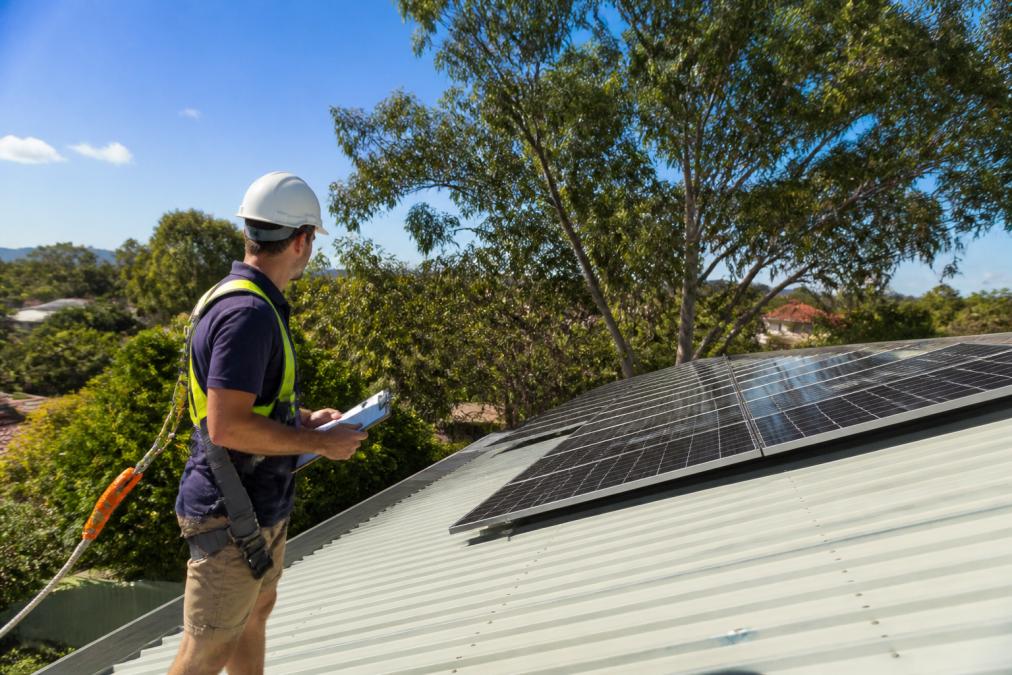
Using a Solar System Size Calculator for Your Home
A solar system size calculator estimates capacity from consumption, location and roof constraints, but treat it as a starting point, it can’t see your switchboard, roof structure or shading.
| Step | What to Do | Why It Matters |
|---|---|---|
| 1 | Pull 12 months of bills | Captures seasonal swings |
| 2 | Note daily average kWh | Sets the sizing baseline |
| 3 | Check peak sun hours | Location-specific yield |
Oversizing the array relative to the inverter can clip output on clear days, while undersizing leaves cheap daytime energy on the table. Ask your installer to show the array-to-inverter ratio before you sign.
Understanding the Cost of a 6.6kW Solar System
The cost of 6.6kW solar system installations varies with panel quality, inverter choice and battery storage, so pricing depends on your site and hardware. Rather than quote a figure that won’t hold, get a current quote from Smart elec for your property.
Ask for a quote that separates hardware, labour and any switchboard work. Itemised quotes make it obvious where the money is going and where a cheaper alternative genuinely exists.
Choosing Inverters, Panels and Battery Storage
The best inverter for most homes is a quality string inverter with reputable monitoring, unless shading is heavy or the roof has multiple orientations, where micro-inverters or a hybrid earn their cost.
Match the system to your usage pattern, not to a brochure. A well-sized 6.6kW grid-connected system with good self-consumption usually outperforms a larger, poorly matched one.
CEC Accredited Solar Installers and Installation Standards
CEC accredited solar installers have demonstrated competency through the Clean Energy Council’s program, and using one is generally required for government rebates and safe connection.
Clean Energy Council accreditation information
Feed-in Tariffs, Monitoring and Long-Term Performance
Feed-in tariff rates have fallen steadily, changing the sizing maths. Self-consumption is where the value sits, so load shifting and smart scheduling matter more than raw capacity.
Australian Energy Regulator guidance on solar and energy offers
Getting Quotes and Avoiding Common Mistakes
Collect at least three quotes, each based on an actual site inspection rather than a satellite estimate, the cheapest quote is frequently the one that skipped the shading analysis.
Australian Government solar and rebate information
Choosing a solar system comes down to matching capacity, inverter and storage to how your household actually uses power, then verifying the installer is accredited and warranty terms are clear. Smart elec brings over 13 years of local experience, honest system sizing, and qualified electricians across residential, rural and commercial properties. Get started with Smart elec and a solar system sized for your actual roof, usage and budget.