


Last Updated: September 11, 2026
Why Electrical Maintenance Is Important for Rural Properties
Electrical maintenance is the scheduled inspection, testing and repair of a property’s wiring, switchboards and equipment to prevent faults before they cause failure or fire. This guide from Smart elec covers why rural electrical maintenance is important for rural properties, what to check and when to call a qualified electrician.
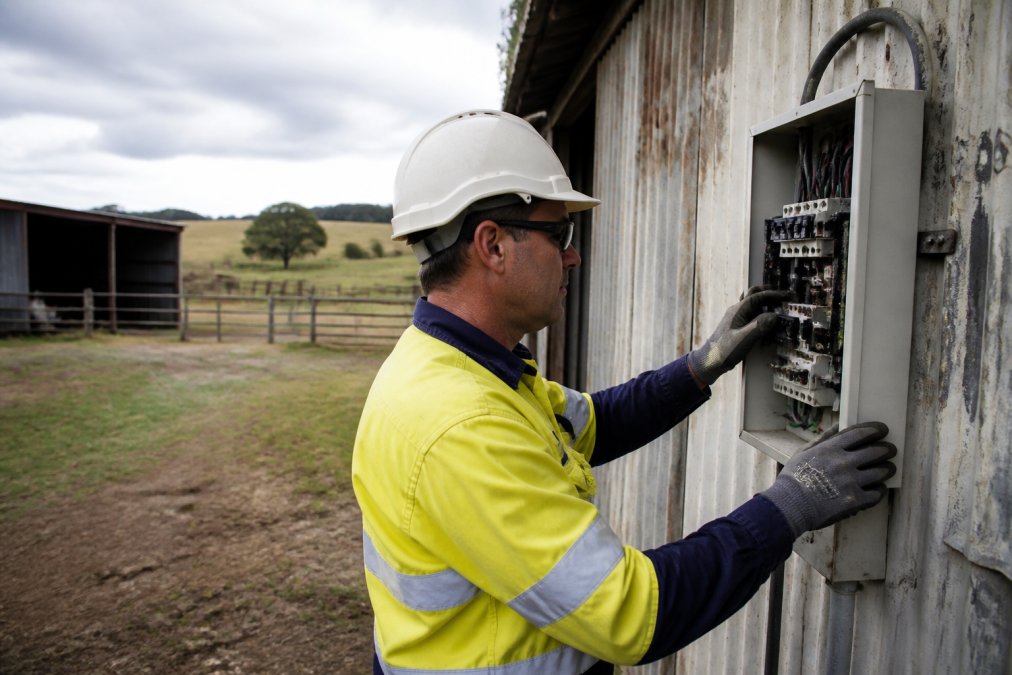
Dust, moisture, rodents and machinery vibration work connections loose, and most faults begin as small, cheap fixes that go unnoticed for months. A fault can leave a household or farm without power for days, and the nearest electrician may be a long drive away. The Work Health and Safety Act 2011 and its associated regulations set out duties for managing electrical risk on rural workplaces, and private powerlines carry their own obligations.
Your Preventative Electrical Maintenance Checklist
A preventative electrical maintenance checklist is a scheduled set of inspections and tests that catch wear before it becomes a fault. Run it seasonally and log every result.
- Inspect the switchboard for dust, moisture, scorch marks and pest damage
- Test safety switches and residual current devices
- Check private powerlines and poles for sagging, cracked insulators and vegetation contact
- Clear vegetation from around overhead powerlines and machinery paths
- Check machinery clearance from powerlines before harvest or earthworks
- Inspect irrigation systems and pump wiring for moisture ingress
- Check surge protection and voltage fluctuations at the main board
- Review solar and battery connections, isolators and inverter fault logs
- Confirm smoke alarms are compliant and within their service life
Seasonal timing matters: before summer check cooling loads and dust; ahead of the wet season inspect enclosures and irrigation wiring; after harvest re-check connections for vibration damage.
Photograph your switchboard and powerline runs each time you inspect them. A dated photo set makes it obvious when an insulator has shifted or a connection has discoloured, and it gives your electrician a head start before they arrive.
What are the signs of faulty wiring in rural buildings?
The signs of faulty wiring in rural buildings include flickering lights, warm or discoloured power points, a burning smell, breakers that trip repeatedly and slight shocks from appliances. Any of these warrants an inspection by a qualified electrician.
Electrical Safety Compliance for Farms
Electrical safety compliance for farms means meeting the inspection, testing and record-keeping duties that apply to a rural workplace under Australian standards and state regulation.
- Switchboard and circuit protection: safety switches and correct circuit protection for every circuit
- Private powerline management: regular inspection of poles, wires and clearances on your own land
- Machinery clearance: maintaining safe distances between plant and overhead powerlines
- Testing and tagging: portable equipment used on site tested and recorded
- Documentation: inspection records kept and available for review
Skipping private powerline inspections is the mistake that costs the most. A sagging line or cracked insulator can arc into dry grass and start a fire, and the property owner carries the responsibility for lines on their own land.
Insurers increasingly ask for evidence of maintenance when a claim involves an electrical fault, and a dated inspection log is often the difference between a paid claim and a disputed one.
Reliability and Cost for Rural Operations
Rural electrical maintenance catches voltage fluctuations, loose connections and surge damage before they take down pumps, cool rooms or irrigation systems mid-season. Dirty switchboards, corroded connections and failing equipment draw more current than they should, so replacing worn components and correcting wiring faults reduces long-term costs. For off-grid and solar setups, check isolators, battery terminals and inverter logs seasonally; dust on panels and moisture in connections quietly cut output.
The cheapest electrical repair is the fault you find on a scheduled inspection, not the one that fails at 2am during harvest.
When to Call a Qualified Electrician
Call a qualified electrician for any work on the switchboard, private powerlines, solar and battery systems, or fixed wiring. DIY is fine for visual checks, clearing vegetation and keeping records. Rural work is not the same as suburban work: old wiring, long runs, pumps and off-grid systems need someone who works on them regularly. Smart elec has over 13 years of experience in domestic, commercial, and rural electrical work, handling everything from switchboard upgrades to solar and private powerline inspections.
| Task | DIY or Professional | Frequency |
|---|---|---|
| Visual switchboard check | DIY | Monthly |
| Private powerline inspection | Professional | Annually |
| Solar and battery checks | Professional | Annually |
Rural electrical faults rarely announce themselves, and the cost of ignoring them climbs fast. Smart elec keeps rural properties safe and compliant with preventative maintenance, switchboard upgrades, solar support and private powerline inspections, backed by honest advice and award-winning service. Get started with Smart elec and keep your property powered safely all year.